
3 Mar 2026
Post by Dakota
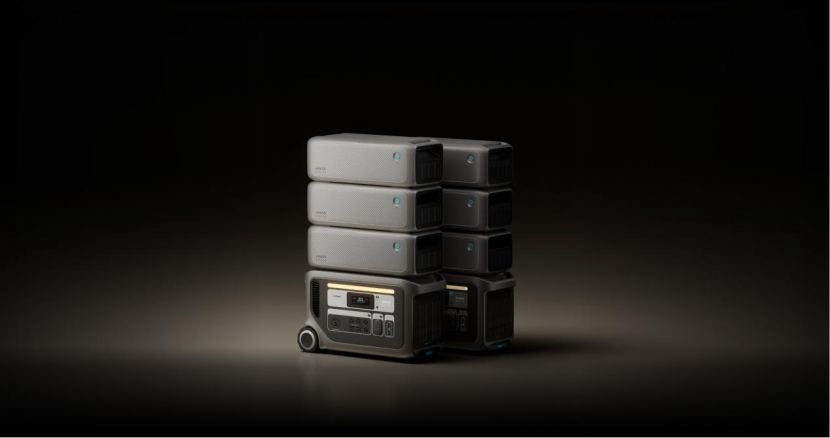
Solar battery banks often operate without reaching a full charge, especially in real-world conditions where sunlight varies, loads fluctuate, and users rely on stored power throughout the day. Partial charging is not a problem for modern systems—in fact, it’s a normal part of solar-based energy use. How a battery responds to incomplete charging affects performance, lifespan, and daily usability. With strong engineering and smart optimization, systems today handle partial charging far better than older technologies. The Anker SOLIX F3000 paired with a 400W portable solar panel demonstrates this by supporting fast solar input, long standby behavior, and intelligent charging patterns that maintain stability even when charge cycles are irregular. Understanding partial charging helps users get the most from their storage system while protecting long-term capacity.

How Partial Charging Behaves in Modern Solar Battery Systems
Lithium Iron Phosphate Chemistry Tolerates Partial Charging Well
Most current solar power battery banks use lithium iron phosphate (LiFePO4) chemistry because it handles partial charging far better than traditional batteries. Unlike older chemistries that preferred full cycles, LiFePO4 remains stable and healthy even when charged only halfway or recharged multiple times per day. This makes it ideal for solar conditions, where weather changes and daily load patterns rarely allow a battery to reach 100%. The F3000 benefits from this chemistry by offering consistent output even across thousands of partial cycles. Users can rely on the system to recharge whenever sunlight returns, without worrying that mid-level charges will shorten the battery’s usable life.
Solar-Based Use Naturally Creates Partial Patterns That Batteries Adapt To
Solar panels produce energy based on weather, season, and time of day. This makes partial charging the rule, not the exception. A 400W portable solar panel may deliver strong input in direct sunlight but provide only moderate energy on cloudy days. A system like the F3000 adapts to these fluctuations by accepting whatever input is available, keeping loads powered, and preserving battery health through intelligent charge management. Partial charges happen throughout the day as panels collect energy in waves. The battery stabilizes itself in response, ensuring that essential household loads continue running without disruption.
Smart Controllers Manage Charge Levels to Protect Battery Health
Advanced solar battery banks use built-in battery management systems (BMS) to protect against undercharging, overcharging, and harmful temperature ranges. This is especially critical for partial charging because the battery frequently transitions between states. The F3000’s smart optimization modes balance solar input, grid input, and stored energy, ensuring that charge cycles remain healthy. Even if sunlight only fills the battery to 40% or 60%, the controller regulates how that energy is used and replenished. This automation ensures that partial charging does not cause stress, keeping the system reliable through unpredictable weather or inconsistent usage patterns.
How Partial Charging Influences Daily Use and Long-Term Planning
Consistent Mid-Level Charging Helps Extend Lifespan Naturally
One advantage of partial charging is that it prevents batteries from sitting at 100% for long periods, something that can slightly accelerate aging. Mid-level charging—commonly between 30% and 80%—is gentle on lithium iron phosphate cells and supports long-term durability. Because the F3000 operates efficiently at these mid-ranges, users can continue powering refrigerators, routers, lighting, and small appliances throughout the day, even when the battery never reaches full. This normal pattern of fluctuation supports thousands of cycles, helping the system remain dependable for years without forced full charges.
Daily Solar Input Allows Rapid Energy Recovery Without Deep Discharges
Partial charging becomes especially effective when paired with fast solar input. The F3000’s dual-voltage solar input supports up to 2,400W, meaning even short sunlight windows can restore significant energy. Because sunlight arrives in pulses, the battery spends much of the day bouncing between partial states. This prevents deep discharges, which can shorten lifespan if repeated excessively. Households that rely on solar for essential loads experience a smoother energy curve, keeping the battery active and replenished without pushing it into low-capacity zones. This blend of partial cycles and steady recovery forms a stable long-term usage pattern.
Users Gain Flexibility to Power Essential Loads Without Strict Scheduling
One benefit of partial charging is the flexibility it provides. Remote workers, travelers, and homeowners do not need to organize their routines around achieving full charges. The system continues powering necessary devices whenever it has available energy. With 3,600W pass-through charging, the F3000 can run laptops, refrigerators, routers, and lighting while still accepting incoming solar power. This ensures that users stay productive even during partial charging windows. Over time, families learn to trust that partial cycles do not degrade performance, allowing them to operate appliances normally and plan energy use without rigid rules.
Conclusion
Solar battery banks handle partial charging exceptionally well when designed with modern chemistry, smart management systems, and high-quality solar inputs. Lithium iron phosphate batteries thrive under partial cycles, making them ideal for solar-powered homes where full charges are not always achievable. Smart controllers regulate energy flow and temperature, keeping the system safe despite fluctuating charge levels. A system like the Anker SOLIX F3000 paired with a 400W portable solar panel shows how partial charging supports continuous use, fast solar recovery, and long-term reliability. For everyday energy planning, this means households can rely on their storage even when the weather changes or loads fluctuate. With thoughtful design and dependable engineering, a modern solar battery bank remains healthy, stable, and ready to serve across countless partial cycles.


0 Comments