
10 Feb 2026
Post by Dakota
Durable solar panels are essential for anyone relying on off-grid energy during camping, hiking, or outdoor activities. Panels must withstand sun, rain, dust, and occasional rough handling while continuing to deliver consistent power. A reliable panel reduces the need to constantly monitor or replace equipment, offering peace of mind in remote locations. Portability also matters, since heavy or awkward panels can become a burden during travel. Ensuring both durability and ease of use is key for practical outdoor setups. In this article, the durability features that make solar panels reliable in real-world outdoor use are explored.
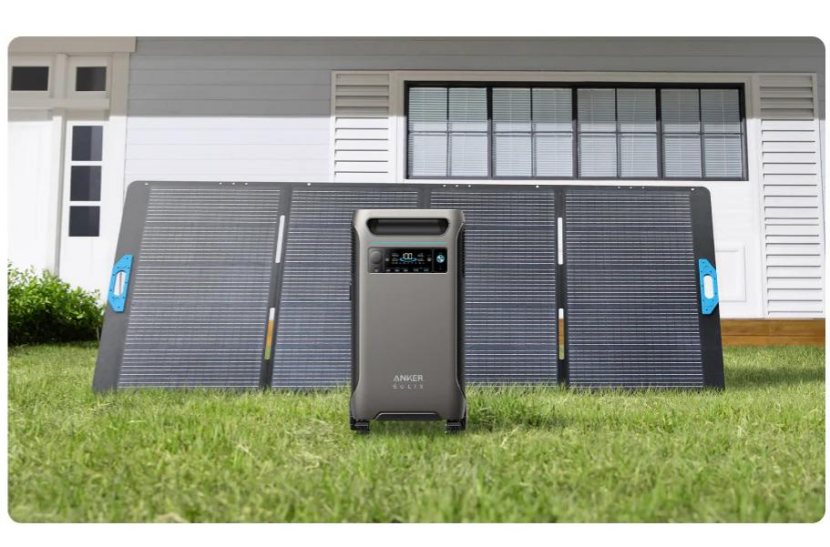
1. Strong Frame and Protective Glass
Use Rust-Proof Aluminum Frames
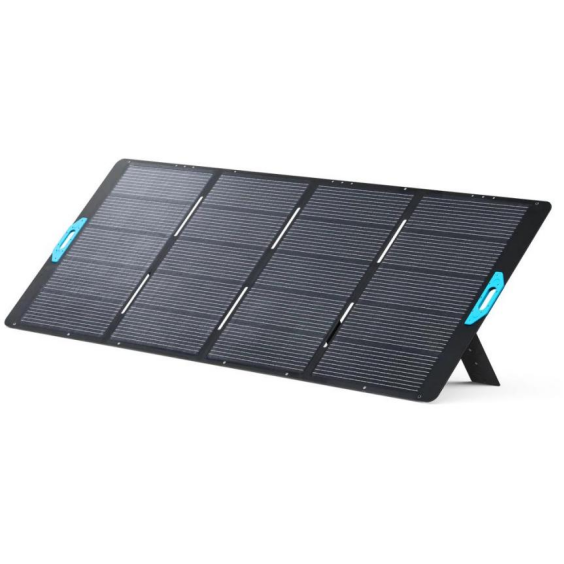
The frame is the first line of defense against physical damage. Aluminum frames resist corrosion and add rigidity without adding excessive weight. Rust-proof materials ensure that the panel remains structurally sound even in damp conditions. A sturdy frame also helps protect the panel edges from accidental impacts or rough handling during transport. Lightweight but robust frames make setup and repositioning easier for outdoor users. Together with protective glass, the frame extends the panel’s functional lifespan under normal outdoor stresses.
Cover with Tough, Tempered Glass
Tempered glass safeguards the solar cells from debris, scratches, and small impacts. Its durability is essential for panels that may encounter rocks, sticks, or other hazards at campsites. Tempered glass also improves light transmission while reducing the risk of cracking in changing temperatures. Panels with quality glass maintain consistent energy output over time. The combination of tempered glass and a strong frame forms a protective shell that shields delicate internal components. This ensures that even if the panel is shifted frequently, the solar cells remain safe and operational.
2. High Water and Dust Resistance
Look for an IP65 or Higher Rating
Solar panels must be able to withstand rain, splashes, and dusty environments without performance loss. Ratings like IP65 indicate strong protection against dust ingress and water jets, making them suitable for unpredictable outdoor conditions. Some advanced panels, such as Anker SOLIX camping solar panels, feature IP68 weather-resistant designs that go even further, surviving immersion and harsh weather while maintaining consistent power output. High-rated panels reduce the risk of damage from sudden storms or dusty trails. This protection makes panels reliable during extended trips when maintenance options are limited. Choosing panels with strong ingress protection ensures energy supply is uninterrupted.
Ensure Seals Protect Electrical Parts
Critical components like junction boxes, wires, and connectors must remain sealed from moisture and dirt. Proper sealing prevents corrosion and short circuits that can compromise safety and efficiency. Rubber gaskets and reinforced sealants are common solutions for outdoor-ready panels. These seals also contribute to longer-term durability, reducing the need for frequent inspections or repairs. Panels that maintain internal dryness perform reliably in both humid and arid conditions. This allows campers to focus on their activities without worrying about energy interruptions.
3. Reliable Connections for Stable Power
Use Weatherproof Cables and Plugs
Cables and connectors are exposed to sunlight, moisture, and movement, making weatherproof materials essential. Panels with robust connectors reduce the chance of loose connections or power loss. Durable plugs simplify setup while minimizing wear over repeated use. Weatherproof cables also prevent accidental shorts during rainy conditions. These design features make it easier to connect devices safely and maintain consistent output. Reliable connectors complement the panel’s protective structure to ensure energy flows without interruption.
Secure Junction Boxes Against Moisture
Junction boxes house the wiring and diodes that regulate current flow. Boxes must be tightly sealed to prevent water ingress, which could damage internal components. Panels with reinforced junction boxes can survive outdoor exposure without frequent maintenance. They also help prevent voltage drops or intermittent charging issues. A well-protected junction box ensures the panel continues to convert sunlight into usable energy efficiently. This stability is crucial when powering devices like phones, cameras, or portable power stations during trips.
4. Built to Handle Outdoor Stress
Withstand Wind, Snow, and Light Hail
Panels used outdoors face not just water and dust, but also wind gusts, snow accumulation, and occasional hail. Durable panels are tested for these conditions to maintain structural integrity. A solid panel remains stable on mounts or stands without flexing excessively. Resistance to environmental stress reduces the chance of cracking or component damage. High-quality panels maintain efficiency even after repeated exposure to these forces. This ensures users can rely on their solar setup in varied climates.
Resist Fading and Damage from Sun Exposure
UV radiation can degrade plastic and other materials over time, affecting both appearance and performance. Durable panels use UV-resistant coatings to prevent yellowing or brittleness. This prolongs the panel’s lifespan and keeps efficiency high. Panels with sun-resistant materials maintain consistent energy output even after long-term exposure. Outdoor enthusiasts benefit from a setup that performs reliably across seasons. Durable finishes also make cleaning easier without scratching or wearing down protective layers.
5. Verified by Professional Testing
Check for IEC/UL Certifications
Certification standards ensure panels meet safety and durability benchmarks. IEC and UL ratings verify that panels can withstand real-world outdoor conditions. Panels that pass these tests offer reassurance for long-term use. Certification also helps identify reliable brands and models. Users can be confident that their investment will perform as advertised. Professional verification complements practical durability features to make panels truly dependable.
Choose Brands Known for Field Testing
Panels from companies with a reputation for outdoor testing often feature design improvements based on actual use cases. Such brands prioritize long-term performance and reliability. This gives users greater confidence that panels will work off-grid without frequent troubleshooting. Panels that have been refined through field experience are more likely to endure harsh environments. Reliable construction and tested designs reduce the risk of failure during critical outdoor use. Brands like Anker, for example, provide panels that combine portability, durability, and practical features tested under real conditions.
Conclusion
Durable outdoor solar panels combine strong frames, tempered glass, and high water and dust resistance to maintain reliable energy output. Weatherproof connections and robust junction boxes help ensure consistent power even in challenging conditions. Panels designed to handle wind, snow, and sun exposure offer longevity and practical convenience for campers and outdoor enthusiasts. Verified testing and reputable brands further enhance confidence in the panel’s performance. Together, these features allow solar panels to deliver energy safely, efficiently, and consistently in real-world outdoor scenarios. Choosing panels with these qualities reduces maintenance, extends lifespan, and supports reliable off-grid adventures.
0 Comments